Scientists Discover Giant 'T. Rex' Fungus in China's Yunnan Forests
Researchers in China's Yunnan province have uncovered a massive new fungus species, named Dianjunus rex, which dates back to the aftermath of the dinosaur extinction.

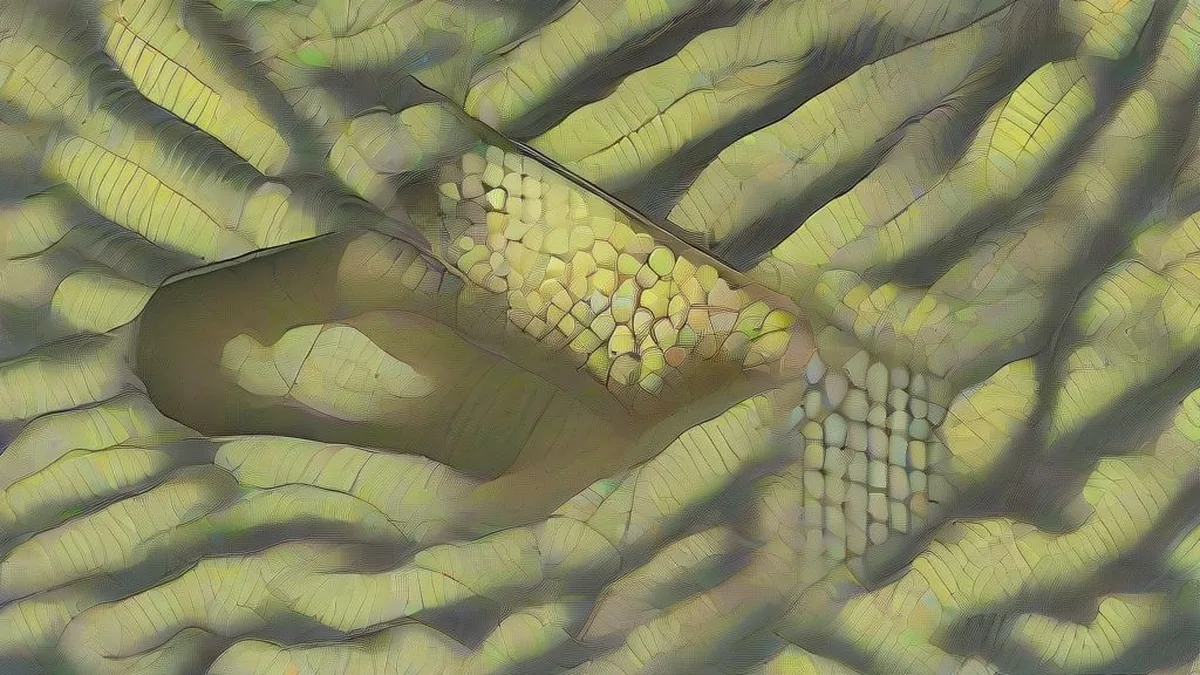
A Colossal New Discovery
Researchers conducting biodiversity surveys in the dense forests of China's Yunnan province have made a remarkable discovery: a giant fungus that towers up to 20 inches tall and weighs nearly 2.2 kilograms. Named Dianjunus rex, the organism shares a taxonomic nod with the legendary Tyrannosaurus rex due to its immense scale relative to its peers.
The findings, which stem from field surveys conducted between 2024 and 2025, were officially detailed in the journal Frontiers in Fungal Biology.
Unprecedented Scale and Structure
Dianjunus rex features pale yellow, finger-like reproductive structures known as stromata. These structures can stretch up to 50 centimeters in height—roughly equivalent to the length of a standard airline carry-on suitcase.
Belonging to the Ascomycota group—the most diverse fungal phylum encompassing roughly 65,000 species such as morels, truffles, and yeasts—D. rex officially takes the crown as the largest known member of this classification. It surpasses the previous record-holder, Engleromyces goetzei, a brown Kenyan fungus measuring about 30 centimeters in diameter and weighing up to 3.2 kilograms.
Despite its striking appearance, researchers note that the giant fungus has not yet been thoroughly tested for potential toxins. The discovery itself initially came to light when a local resident photographed the unusual organism and forwarded the images to botanical researchers.
"People had clearly seen this fungus in the wild before, but its true scientific importance had not been recognized," said study co-author Indunil Senanayake, an associate professor at the Kunming Institute of Botany.
Evolutionary Origins Tied to Mass Extinction
Genetic analysis and cross-species comparisons revealed that D. rex belongs to an entirely new, previously undocumented family of fungi christened Dianjunaceae. Evolutionary timelines suggest this family emerged approximately one million years after the cataclysmic asteroid impact that brought an end to the Cretaceous Period 66 million years ago.
That ancient mass extinction event wiped out all non-avian dinosaurs alongside roughly 75 percent of all plant and animal life on Earth. However, scientists believe the resulting ecological devastation actually paved the way for the family's development.
During the aftermath of the impact, global photosynthesis plummeted while vast quantities of dead leaves, rotting wood, root systems, and animal remains blanketed the landscape. Fungi capable of saprotrophic feeding—consuming dead organic matter—found an abundant food source just as many other life forms struggled for survival.
Daily News 365 will continue to follow developments as researchers conduct further biochemical and ecological analysis on this prehistoric evolutionary survivor.
About Gaurav Sen
Senior Editorial Director & Lead Geopolitical Analyst
Senior Editorial Director and investigative correspondent covering national affairs, international relations, defense, and economic policy for Daily News 365.