Choking Skies: How Dust, Traffic, and Weather Are Fueling Mumbai's Air Quality Crisis
As Mumbai grapples with alarming AQI spikes and dense urban smog, experts point to a complex web of road dust, vehicular emissions, and shifting weather patterns.

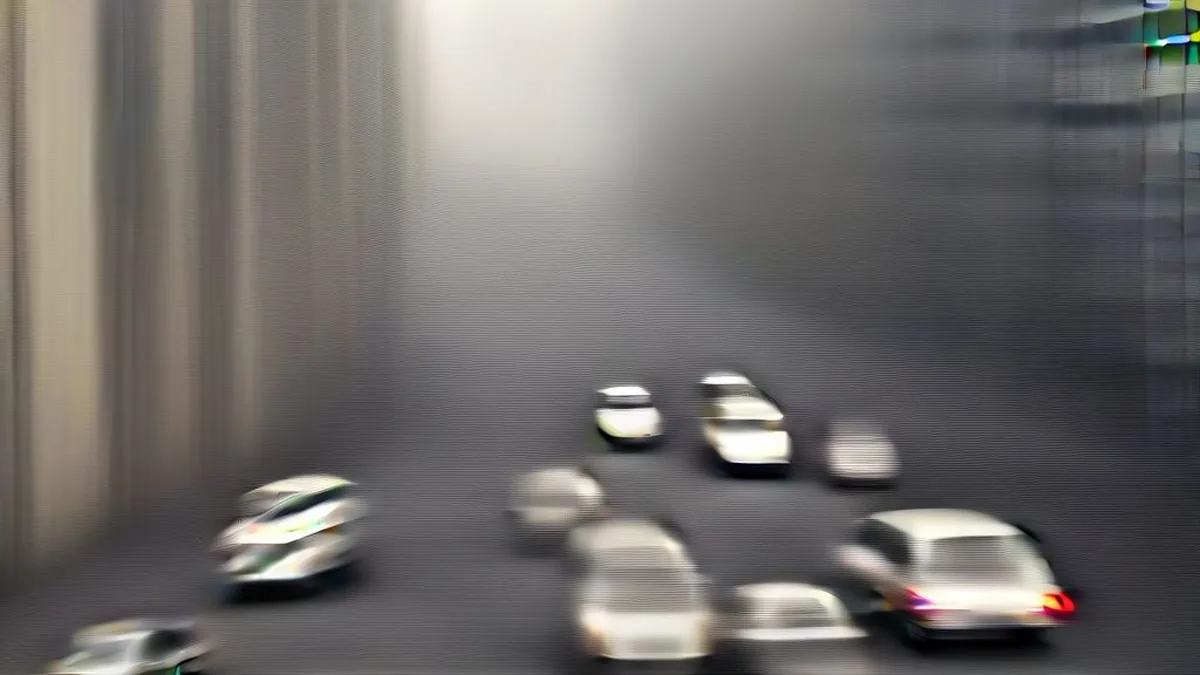
The Urban Smog Dilemma
Mumbai's worsening air quality has exposed a deeper structural challenge within the metropolitan landscape, moving far beyond standard seasonal fluctuations. While coastal winds have historically acted as a natural shield to disperse atmospheric pollutants, recent spikes in haze and particulate matter have forced authorities and environmental scientists to re-evaluate the primary drivers behind the city's declining air quality.
Recent air quality index readings have crossed into deeply concerning thresholds, with specific monitoring stations recording hazardous spikes that place the financial capital on par with—and occasionally exceeding—other major urban centres historically plagued by severe smog. However, environmental experts emphasize that single-day fluctuations do not paint a complete long-term picture, pointing instead to a persistent combination of localized emissions, meteorological conditions, and implementation gaps in civic enforcement.
Beyond Construction: The Impact of Road Dust and Traffic
While municipal bodies have rolled out stringent multi-point pollution control guidelines for construction sites, comprehensive scientific assessments suggest that the crisis stems from multiple compounding sectors.
A landmark study published in the journal Urban Climate highlights that transport, windblown road dust, and industrial activities are primary contributors to particulate matter emissions in the metropolitan region. Road dust, in particular, remains a persistent adversary. In a city defined by continuous infrastructure upgrades and dense vehicular traffic, fine particles from earth, construction materials, and vehicular wear are continuously whipped back into the atmosphere.
Traffic congestion further exacerbates the issue. As vehicles idle at major intersections and arterial corridors, exhaust emissions accumulate heavily in micro-climates, significantly increasing local exposure to toxic pollutants.
The Myth of the Sea Breeze
For decades, Mumbai's peninsula geography was viewed as an absolute safeguard against sustained air stagnation. However, meteorologists note that when coastal winds drop or shift, pollutants quickly lose their dispersion pathway.
Furthermore, the interaction between maritime humidity and urban emissions creates a uniquely heavy atmospheric haze. While the Brihanmumbai Municipal Corporation has identified natural elements like sodium chloride—sea salt—mixing with ambient air moisture, municipal authorities acknowledge that natural marine particles alone cannot account for the toxicity levels currently observed. Industrial pollutants, vehicular exhaust, and secondary particulate formation remain the dominant hazards.
Additionally, regional transport of smoke from open biomass burning and agricultural residue outside municipal limits periodically compounds the local burden, depending on prevailing wind directions.
Strengthening Monitoring and Enforcement
As public concern mounts, the focus has shifted sharply toward the enforcement capacity of local governance. Environmental analysts argue that mitigating Mumbai's air crisis will require rigorous, year-round oversight of dust suppression technologies, mechanized road sweeping, strict emission standards for commercial fleets, and a transparent, hyper-local monitoring network to hold polluters accountable on the ground.
About Gaurav Sen
Senior Editorial Director & Lead Geopolitical Analyst
Senior Editorial Director and investigative correspondent covering national affairs, international relations, defense, and economic policy for Daily News 365.